
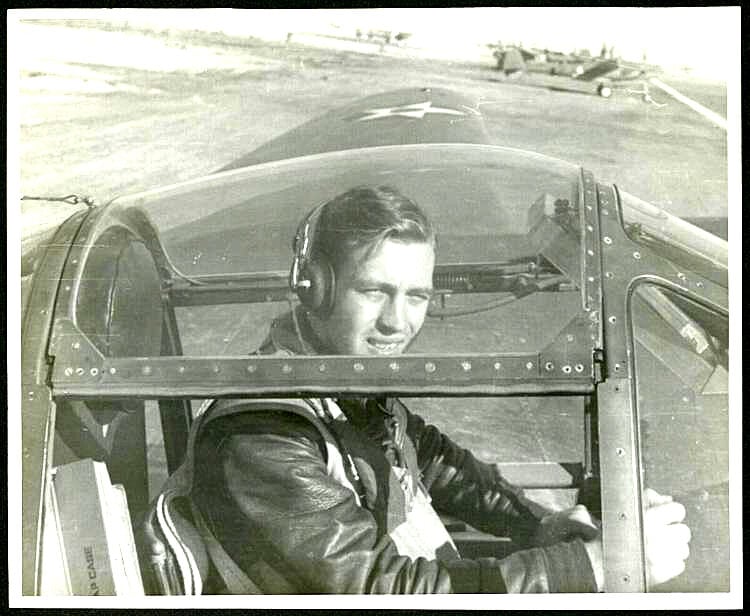
Who is William Northern?
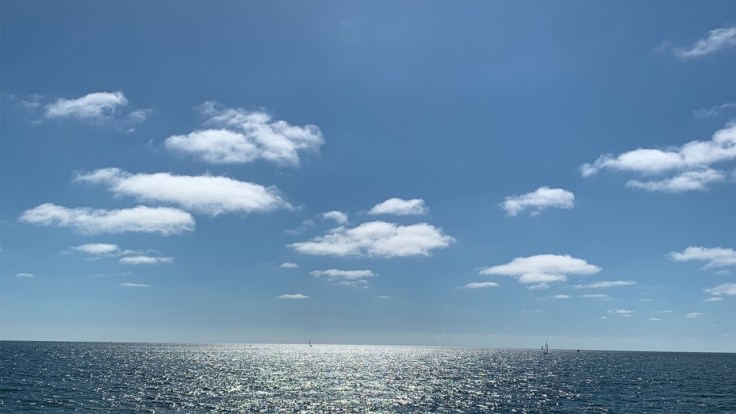
It was just after eleven in the morning, fifteen miles off the coast of San Diego. The sky was clear for miles. It was the kind of sky a pilot lives for. Suddenly, their practiced patrol formation broke. He never saw the other plane, and the other plane did not see him. Then, the sea took him. One hundred fathoms deep into a dark that would not give him back.
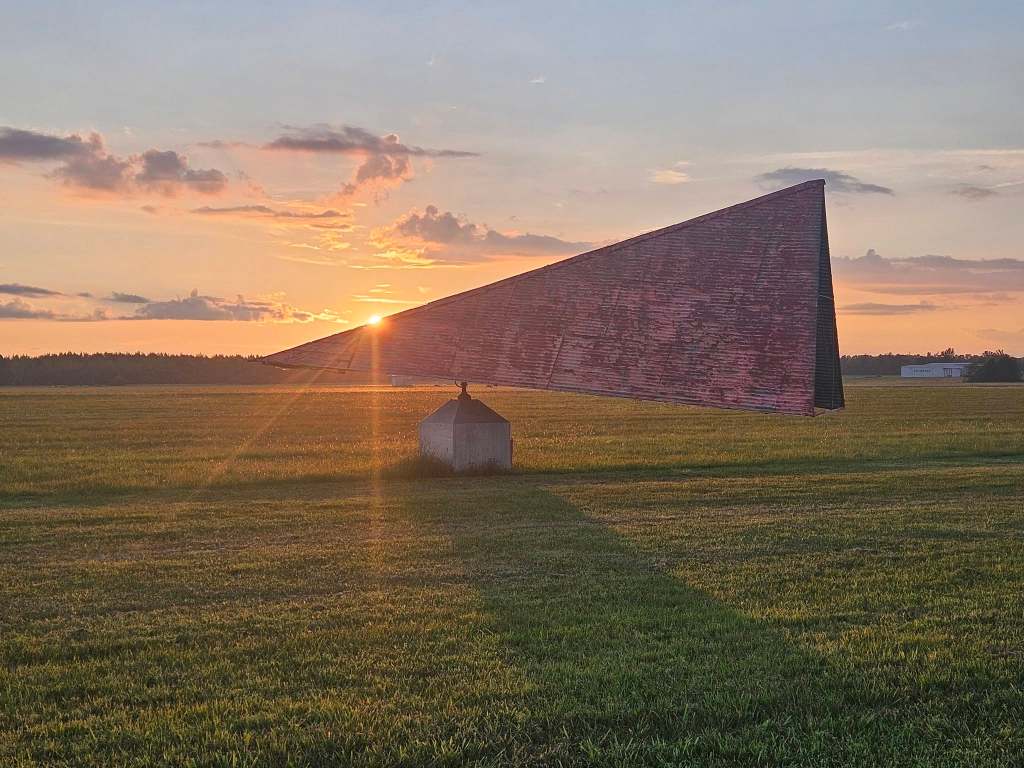
Two thousand miles east of that water, in a town he never lived in, an old machine turns to meet even the slightest breeze. It has turned for eighty years. It is called a tetrahedron: a hollow, two-sided arrow the size of a small boat, mounted on a pivot at the edge of the airfield. It swings around to point pilots into the wind, the way it did back when this was an Army Air Corps base and the country was just stepping into a second world war. I pass it most weeks. Hundreds of people do. Most who drive the boulevard alongside it have never asked what it is, or whose name is on the sign that leads to it. Some of the people who work here couldn’t tell you who he was. That is the strange arithmetic of human memory. One short life, reduced to a word on a green sign, kept clean and tidy by people who never knew the man behind it.
For a long time, I was one of them. I drove that boulevard for years and never asked. The name was just a landmark, a way to get somewhere else in town. Then I learned his story, and I have not been able to look away since. Lately I have come to think that keeping his memory alive is part of my job.
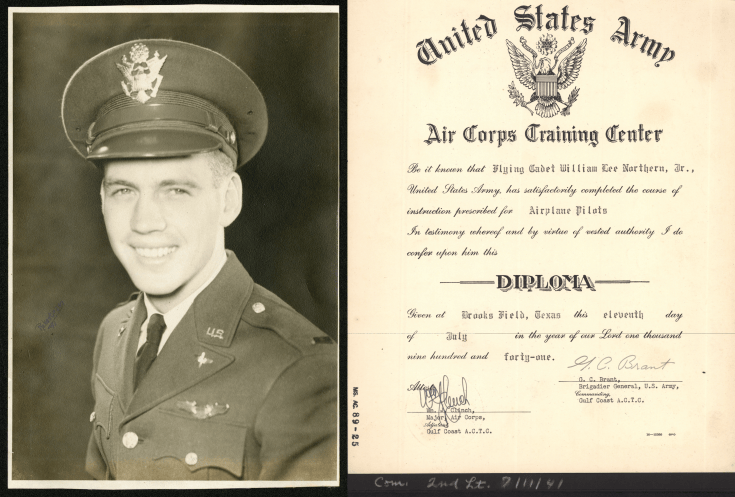
His name was William Lee Northern, Jr.
Everyone called him Billy.
He grew up in Nashville, an only child, in a small house he shared with his grandfather, his mother Mamie, and his father. William Sr. was a World War I infantryman who ran the local Boy Scout troop. Billy earned nearly every merit badge there was, made Eagle, and then came back to stand beside his father as an assistant scoutmaster, teaching the younger boys the same lessons he had only just learned himself. People who knew him used the same worn phrase: he never met a stranger. One man who had been among those younger Scouts remembered him as quick and patient, a natural teacher. A woman remembered only what her mother had told her: how handsome he was, and how, when he spoke to you, you felt like the only person in the room.
He was president of his high school class, and then he went to Vanderbilt. Billy joined a fraternity, a little campus politics, enough athletics to stay busy. He had every reason to stay. And then, in his junior year, he walked away from all of it. The country needed pilots, and a scholarship put him in a cockpit. Somewhere in that rush, he became engaged to be married. By every account that survives, Billy was the kind of young man a mother lets go of slowly.
He was only twenty-one years old.
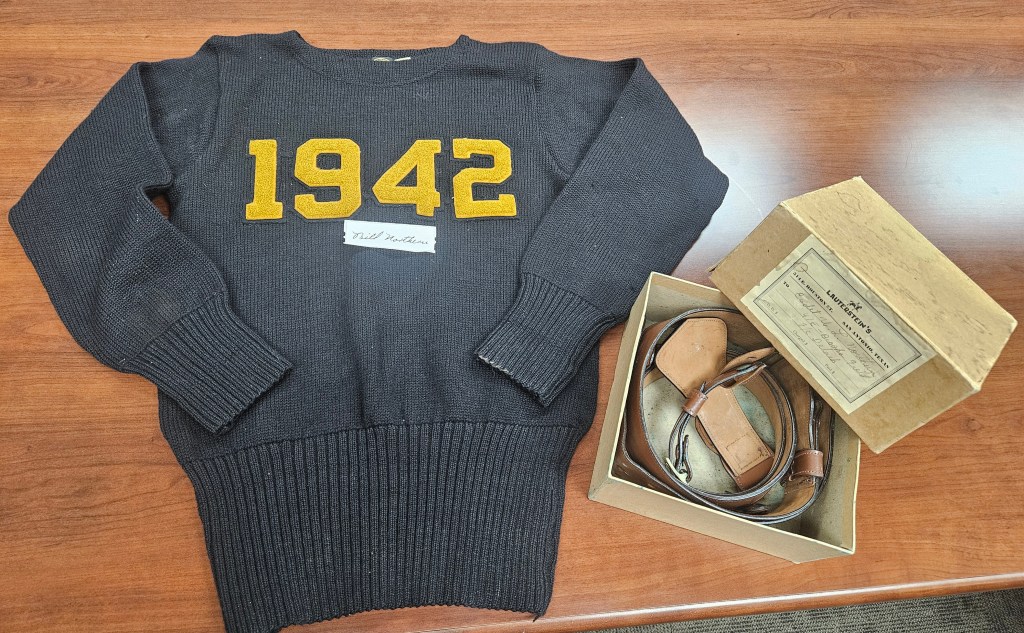
He earned his wings and was posted to Michigan, at Selfridge Field, and there he joined the 94th—the hat-in-the-ring squadron that had been Eddie Rickenbacker’s in the last war, the most storied fighter unit the country had. Rickenbacker himself was still alive. The men of the 94th knew exactly whose name they had inherited, and they flew like men who did not want to disappoint him.
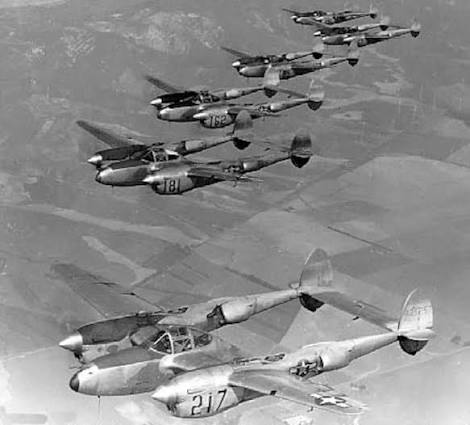
At Selfridge, he learned his airplane: the P-38 Lightning. Twin-boomed and fast, the fighter German pilots would come to curse as the fork-tailed devil. To the men on the ground, its silhouette overhead was the closest thing to salvation they could get sometimes. Just the sight of one on overwatch could lift the spirits of soldiers in the worst of it. Billy knew that machine the way you come to know a thing you trust with your life.
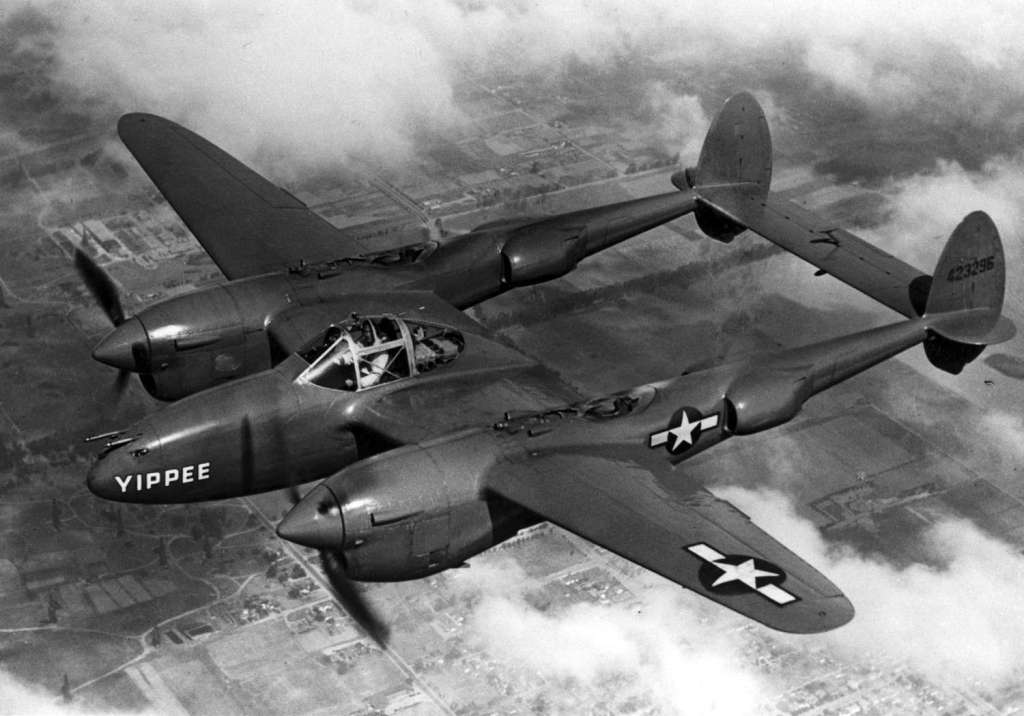
He never read the poem that came later. An anonymous GI wrote it in 1943, sweating out a bombing run over North Africa, a year and a world away from the water that already held Billy by then. But the man on the ground and the man in the cockpit understood the same thing about that airplane, and I think if you had handed Billy these lines, he would only have nodded:
Sure we’re braver than hell on the ground, all is well,
in the air it’s a much different story.
As we sweat out our track through the fighters and flak
we’re willing to split up the glory.
Well, they wouldn’t reject us, so heaven protect us
until all this shootin’ abates —
give us courage to fight ’em, oh, and one other small item:
an escort of P-38s.
That was the whole of him, really. The Eagle Scout who came back to stand beside the younger boys. The assistant scoutmaster who taught what he had only just learned. Of course he flew the plane the soldiers on the ground prayed to see. Protecting people who would never know his name was not something Billy learned in a cockpit. It was already who he was.
In November of 1941, his parents drove up to spend Thanksgiving with now-Lieutenant William Northern Jr. in Michigan. He had the holiday with them and his new fiancée, and then it was over too soon. His squadron was ordered to the west coast; preparation for whatever came next in a global conflict that did not yet include us just yet.
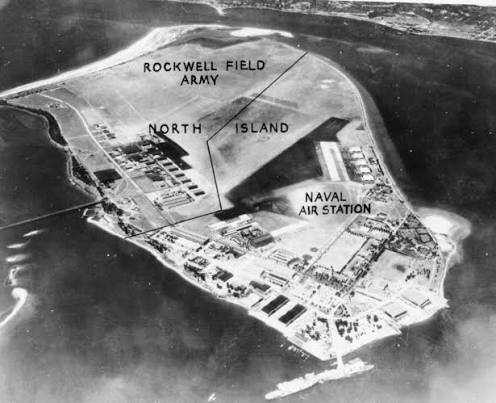
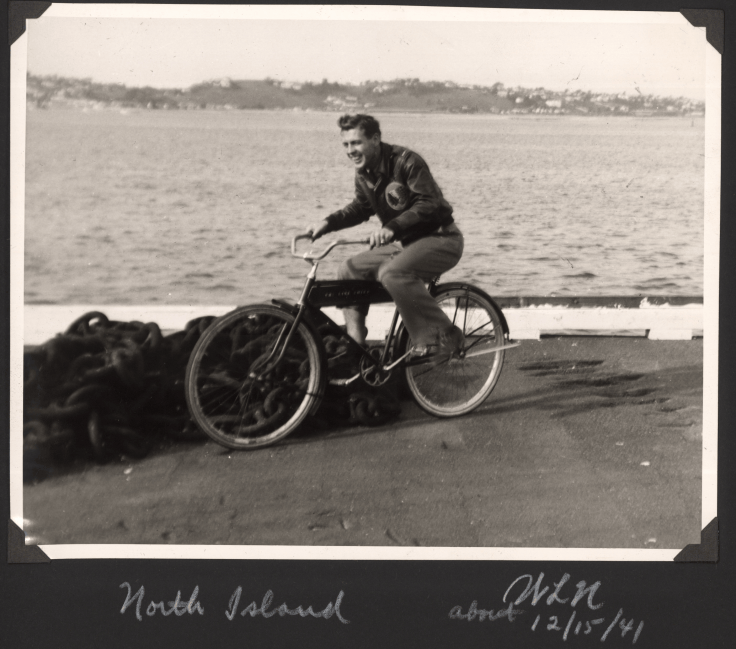
Weather held them on the ground in Michigan for two days. When the sky finally cleared, they flew their own P-38s west to their first assignment at North Island in San Diego. When they set down in the California sun, it was the morning of December 7, 1941. If that date sounds familiar, it should. They learned on the tarmac that the country they had been training to defend was, as of that morning, at war.
For thirteen days they patrolled the California coast, expecting the fight in the Pacific to come to them. It didn’t. The war they had raced toward stayed far offshore and out of sight. On the fourteenth morning, under that clear December sky, Billy and five of his fellow pilots lifted off in a loose formation to patrol the water between San Diego and Los Angeles, watching for an enemy that never came.
Now you know him. Billy.
The only child. The Eagle Scout.
The pilot. The fiancé. The handsome boy who never met a stranger.
Return to the waters off San Diego. It is still just after eleven. The sky is still clear. As their formation breaks, another plane crosses too close. A wing finds a wing and the planes tumble in a race to the sea. There is fire on the surface. The other pilots who witnessed the accident agreed on that, and on how fast it was over. Men and machines meant for the skies are claimed by the ocean, six hundred feet of cold and dark, and it does not give them back. The other pilot was named Foy Roberson, Jr. The same water holds him, and someone, somewhere, kept his name too.
Billy Northern was the first Tennessee-born aviator killed in the Second World War. He had not fired a shot at anyone. The telegram reached Nashville, and then a letter, and an only child’s parents began the rest of their lives without him.
Five months later an airfield was rising on thirteen hundred acres of Middle Tennessee scrubland, and its first commander, a colonel named Christopher Scott, went looking for a name for it. The convention of the day was to name a base for some battlefield general, a famous man who had led troops and taken ground. Scott wanted something else. He wanted a name the State of Tennessee could own, and of the three he weighed, he chose the young lieutenant who had died first, in service, though never in combat. The War Department, against its own habit, agreed.
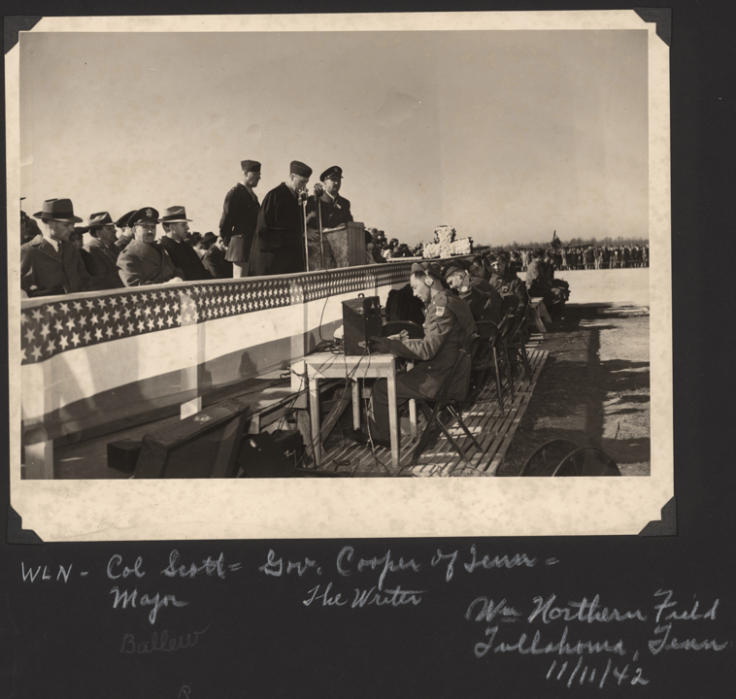
They dedicated the field on Armistice Day, 1942. The stores in town are closed. Grandstands went up along the runway, and nearly four thousand people descended on a small town in Middle Tennessee. General Henry “Hap” Arnold’s name was on the guest list, along with Governor Prentice Cooper, along with senators and representatives. The whole ceremony went out across the South on WSM Radio in Nashville, so that anyone who couldn’t stand on the concrete could still hear his name spoken over the field that would carry it. And his fraternity brothers from Vanderbilt and other chapters nationwide laid a bed of white roses down the length of the runway. Flowers, the length of a strip of concrete built to launch others into the sky.
I have seen the photographs of the ceremony. I have read the official accident reports. I have even seen the last known picture of Lieutenant Billy Northern. It is a strange and tender thing to bury a man you cannot recover under roses on a runway.
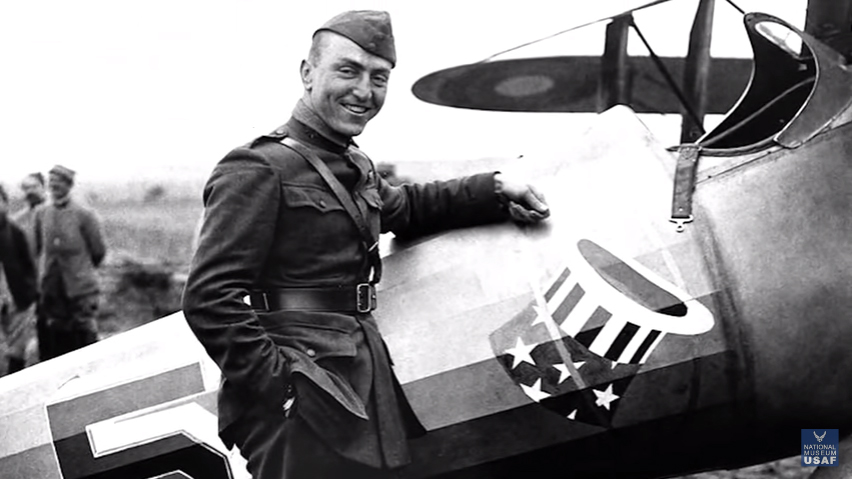
The men of the 94th flew under the weight of Rickenbacker’s famous name and did not want to disappoint it. And for the rest of the war, the field named for Billy Northern trained the crews of B-24s and B-25s; the bomber men who flew the missions Billy never got to fly, and they took off and set down under his name. Some of them, surely, did not want to disappoint Billy’s name either. The reverence had simply moved down a generation. The boy who looked up to a name had become the name a thousand others looked up to.
Billy left no children. The Northern line ends in that water off San Diego. There is no one alive who shares his face. What remains fell to a town he never lived in, and the City of Tullahoma has held on to him for eighty years. He’s a name on a sign, a name on a field, and a hollow and wind-tossed arrow turning at the edge of it all.
I pass the tetrahedron most weeks, and most weeks I don’t stop. But some evenings the light goes gold across the old runway, and the arrow swings around to take the wind, and a small plane lifts off at the Tullahoma Airport on William Northern Field and climbs into exactly the kind of sky a pilot lives for.
The sea kept the man. The town keeps the name and puts it on a sign. A tetrahedron from 80 years ago still turns in the wind, and somewhere in between, every time a wheel leaves that concrete, Billy Northern gets to fly.
Author’s Note — Billy Northern’s story reached me through Dr. Elizabeth Taylor, whose sixteen years of research into Lieutenant Northern and the field that bears his name gave this piece its heart; her forthcoming book will tell it in full. The details of the crash come from the 1941 accident statements and the 94th Pursuit Squadron’s unit history.


Leave a Reply